

Dassemus
– North Brabant, Netherlands
Dutch success story Dassemus is back at NWFA for the 3rd time
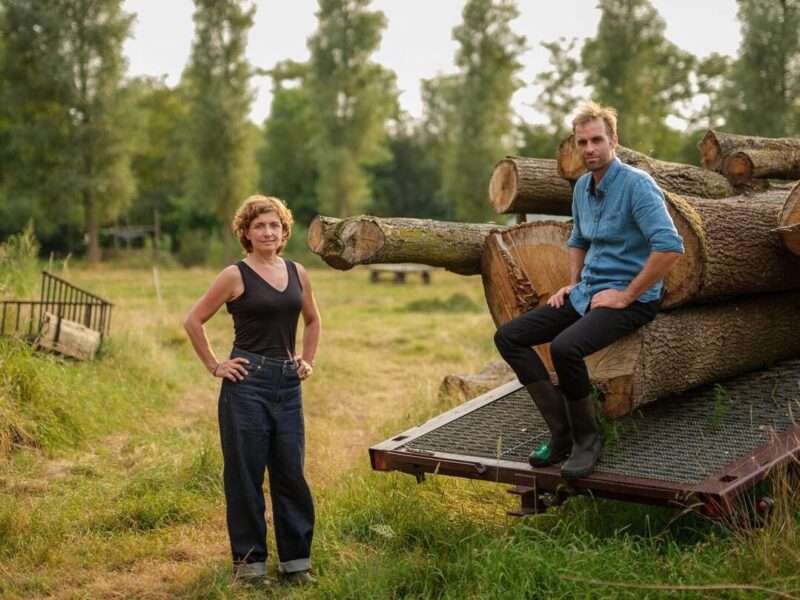
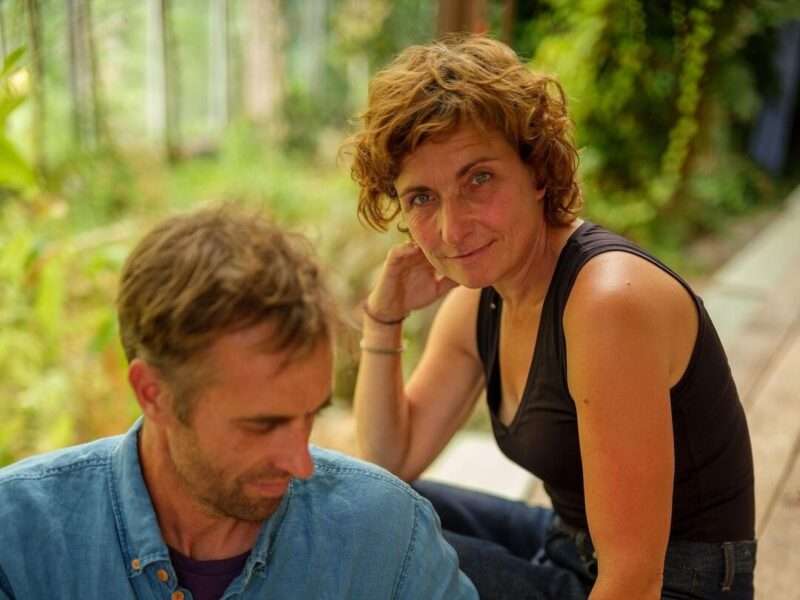
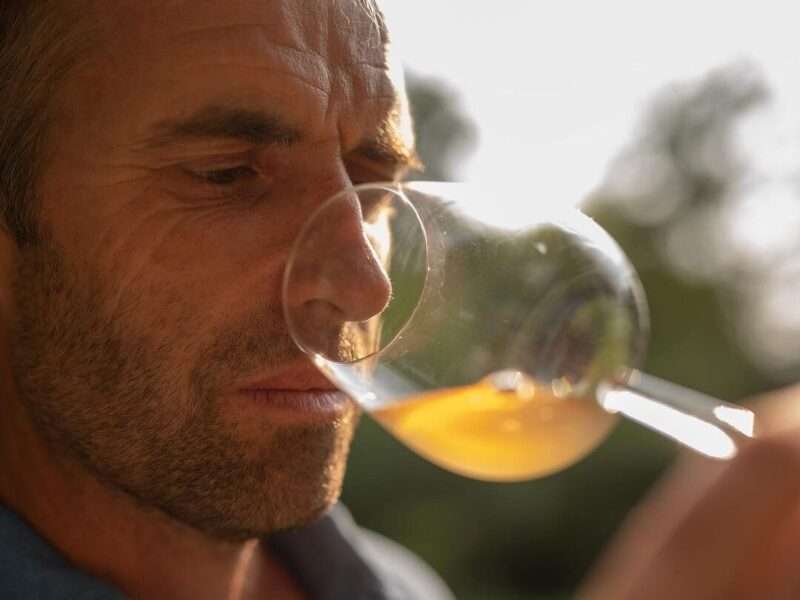
For Ron and Monique, the wine that changed everything was Ceci n’est pas un orange, the first Dutch orange wine. This wine not only put Vineyard Dassemus on the map, but also gained a cult following, with demand stretching well beyond the borders of the Netherlands.
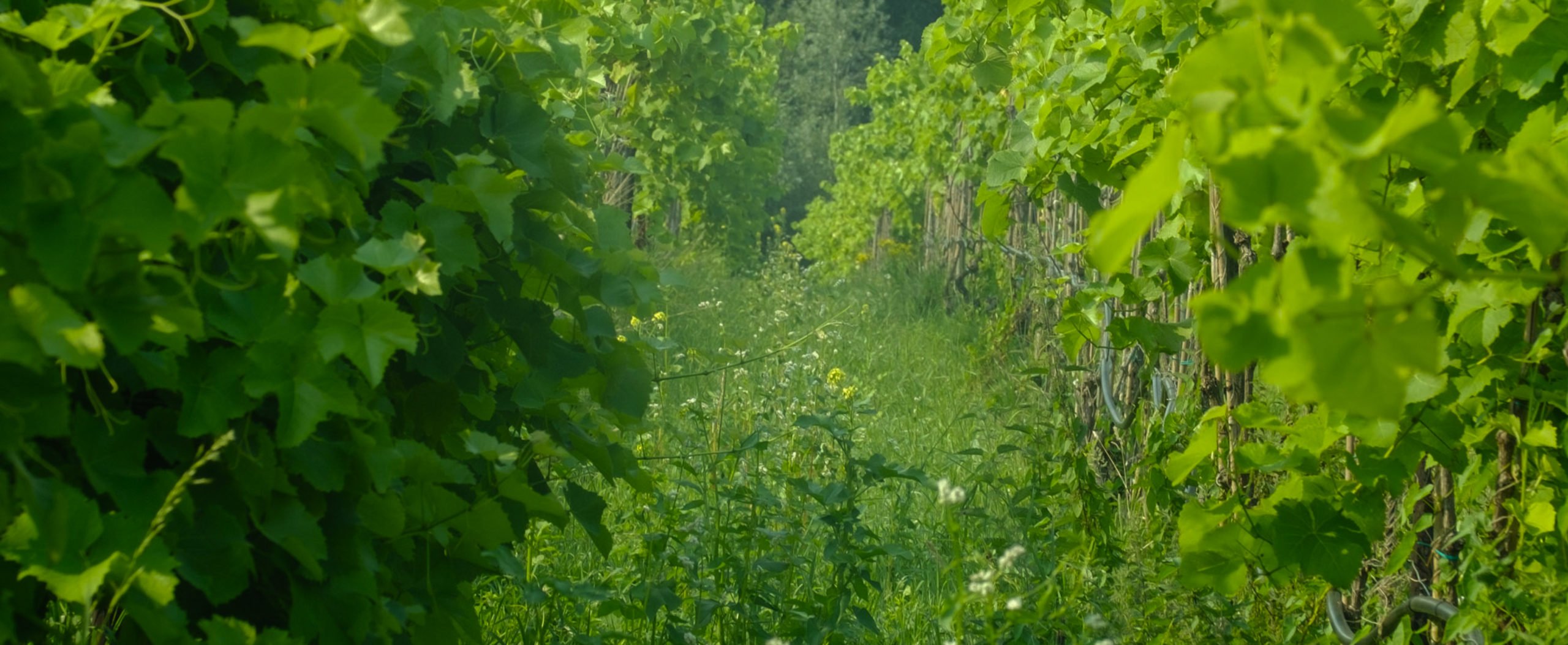
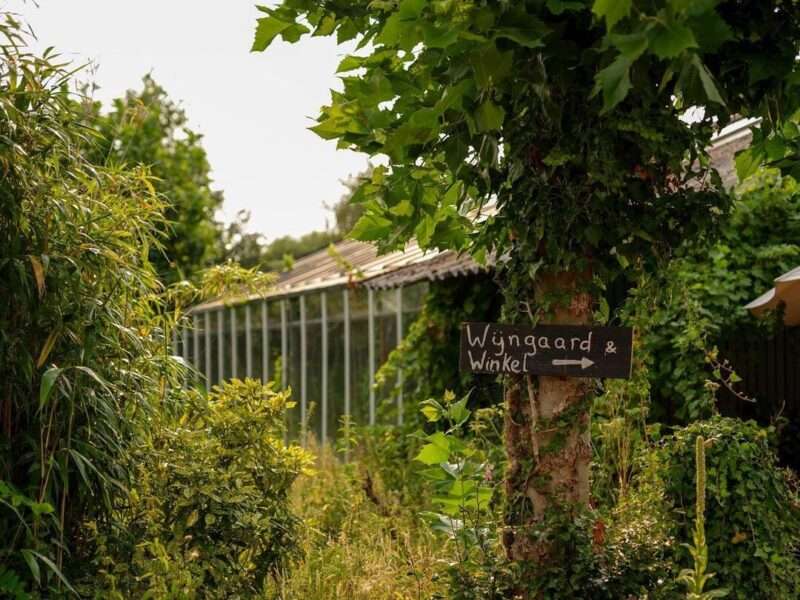
The six-hectare vineyard lies in the hamlet of Dassemus, next to the “‘t Broek” nature reserve and the Chaam stream system. The first vines were planted in 2005 with the help of friends and family. Further expansions followed in 2006, 2010, and 2020, bringing the total to more than 22,000 vines across thirteen grape varieties, including Solaris, Souvignier Gris, Muscaris, and Johanniter for whites, and Rondo, Cabernet Cortis, Baron, and Monarch for reds. These varieties were specifically developed for fungal resistance — an important factor in the humid Dutch climate — and ripen earlier than traditional varieties like Pinot Noir or Chardonnay.
Since 2021, the vineyard has been Demeter-certified biodynamic, in addition to its SKAL organic certification (026971). No pesticides are used, including copper and sulfur. Soil health is maintained through the use of green manures, alternating grass and herb rows, and mechanical hoeing instead of herbicides.
The grapes are processed immediately in the on-site cellar, equipped with stainless steel tanks, wooden barrels, and ceramic amphorae. Some wines use specialized yeasts, while others are produced naturally, with wild fermentation initiated by yeasts already present in the vineyard.